Green Amethyst Buying Guide
A good purchase begins with a simple idea: buy the beauty and workmanship you can verify, not a story about rarity that you cannot.
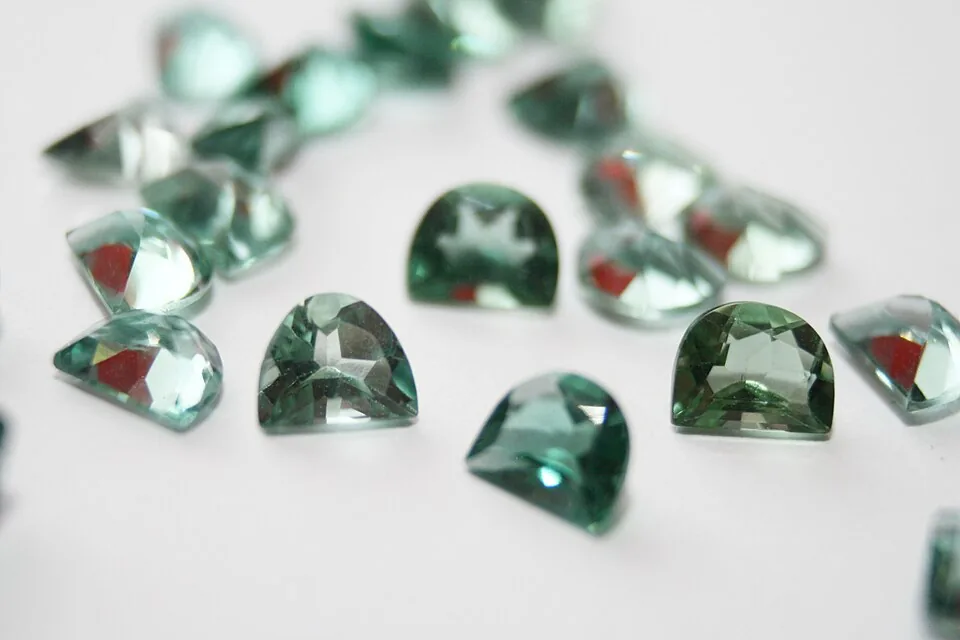
Buy prasiolite by evaluating color, clarity, cut, treatment disclosure, setting quality, seller credibility, and return terms—not hype.
- Prioritize beauty, transparency, and cut over exaggerated rarity claims.
- Ask whether the color is natural, heat-treated, or irradiation-produced.
- Inspect the setting and craftsmanship, especially for rings.
- Compare total jewelry quality—not only carat weight.
A simple buying order
1. Confirm what is being sold
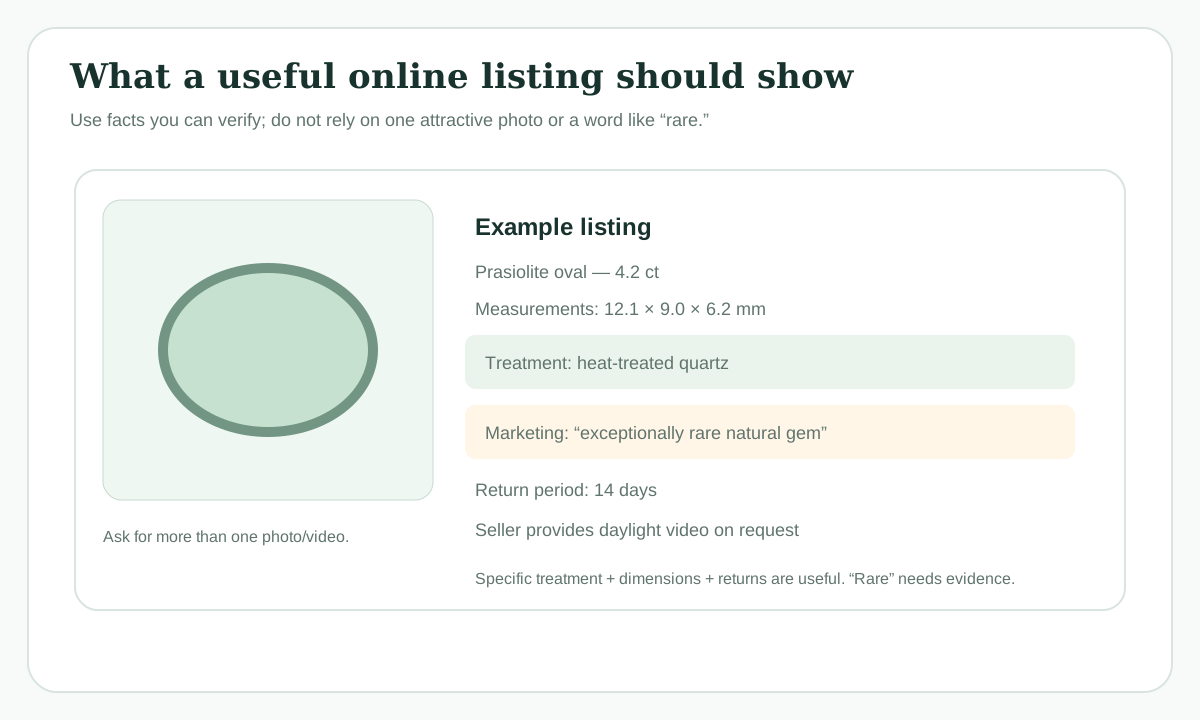
The listing should identify the stone as prasiolite or green quartz and should disclose known treatments. Be cautious when a seller presents ordinary treated material as a highly rare natural gemstone without laboratory support.
2. Judge the visible quality
| Factor | What to look for | What to avoid |
|---|---|---|
| Color | Even, attractive pale green | Unnatural-looking saturation or misleading emerald comparisons |
| Clarity | Eye-clean or pleasingly transparent | Distracting fractures reaching the surface |
| Cut | Even brightness and balanced proportions | Large dead areas, obvious windowing, asymmetry |
| Setting | Secure prongs or bezel, smooth finish | Loose stone, rough prongs, exposed sharp corners |
3. Ask five useful questions
- Is the stone natural prasiolite or treated quartz?
- What treatment is known or assumed?
- Is the item returnable after inspection?
- Are the metal purity and stone measurements stated?
- Will the seller put all claims in writing?
For an expensive piece represented as rare natural prasiolite, consider an independent gemological report. For ordinary fashion jewelry, the seller’s transparent description, workmanship, return policy, and price are usually more important than elaborate paperwork.
Common mistakes
Do not pay a large premium merely because a listing uses “green amethyst,” “rare,” “Brazilian,” or “healing” language. Those phrases do not prove untreated origin, superior quality, or durable value.
Green amethyst buying checklist
Use this checklist before paying. It works for a loose stone or finished jewelry and keeps the decision focused on facts you can actually verify.
- The listing identifies the material as green quartz/prasiolite or clearly explains the “green amethyst” trade name.
- The seller states whether the green colour is treated or claimed to be natural.
- You have seen the stone in more than one photo, video, or lighting condition when buying online.
- The cut looks lively rather than showing a large pale window or distracting dark zones.
- Measurements are provided in millimetres, not just carat weight.
- Any visible inclusions, chips, or surface damage are disclosed.
- For jewelry, the metal type and fineness are stated and the setting protects vulnerable corners.
- The return/inspection period is long enough to view the piece in normal light.
- If “untreated,” “natural colour,” or unusual origin materially increases the price, supporting documentation is available.